Open games that are transforming the gaming industry with a speed that’s never been previously seen. From huge virtual environments to stories that are driven by players the genre has changed the way gamers interact with digital worlds. Contrary to linear games of the past, open world experiences permit players to play freely making choices and make their own experiences.
As technology in gaming advances open-world gaming is becoming increasingly immersive authentic and emotionally stimulating. This change is not just an fad, but a total revolution in the gaming industry.
What Are Open World Games?
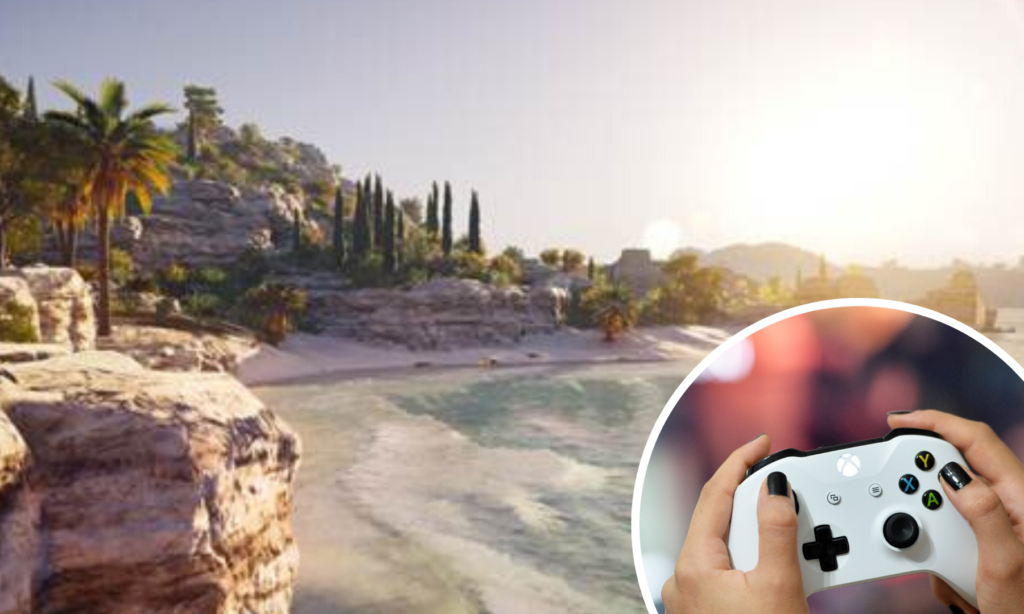
The games of open-world are games that let players wander around in a wide interactive, social environment with no rigid boundaries or forced progress pathways. The players decide where they want to move, what to do and how to achieve goals.
Instead of following a set narrative, open world games allow for exploration, discovery and experimenting. The world responds to player actions, making each experience distinctive.
Why Open World Games Are Gaining Massive Popularity
Open games from around the world are sweeping the gaming industry due to their flexibility, excitement and replay value that linear games usually lack.
The players of today are looking for more than just mission-based games. They want live environments, real-life characters, and real-world choices. Games that open world provide all this and more.
Freedom of Exploration Changes Everything
One of the main reasons why open world games are the most popular in the modern game is freedom. Game players no longer have to adhere to narrow routes or predetermined sequences.
It lets you explore cities, mountains and deserts, forests and oceans at your own speed. This gives you an empowering sense of belonging to the world of games and makes players feel connected to the world they are in.
Player Choice Creates Personal Stories
Open world games let players to design their own stories. It’s all about choices, whether it’s how you finish a mission or the alliances you make and how your interactions with other players.
These choices result in different results, which encourages more playthroughs and a deeper emotional commitment.
Immersive Game Worlds Feel Alive
Modern open-world games offer dynamic environments that evolve in time. Weather systems, night-day cycles, wildlife behaviour as well as NPC habits make the game appear alive.
The realism draws players deeper into the experience, keeping players engaged for longer durations.
Technological Advancements Power Open Worlds
The growth of open-world games is closely connected to technological advancement. The power of gaming engines, modern graphics processing, and more advanced AI systems have made massive game worlds feasible.
Faster storage solutions speed up loading times, which allows for seamless exploration. Artificial intelligence allows for more intelligent NPC behavior, which makes the interactions much more natural as well as unpredictable.
Role of Artificial Intelligence in Open World Gaming
AI plays an important role in the modern games that are open to all. NPCs now have the ability to respond smartly in response to actions of players, and can remember previous interactions and alter their behavior in response.
The enemies employ smarter strategies and allies provide a dynamic back up and the world changes according to player choices. This makes for a more authentic and enjoyable experience.
Open World Games and Emotional Engagement
Games that are open to the world often create greater emotional connections over traditional ones. The time spent exploring the world develops familiarity and a sense of belonging.
People form bonds with characters, remember places and feel the impact on their decisions. This emotional impact is the main reason open-world games are gaining ground in the gaming industry.
Social Interaction and Multiplayer Expansion
A lot of open world games come with multiplayer and online features. The shared worlds let players play together with each other, compete, or live together.
The social aspect extends the game’s lifespan and creates active communities around the games. Players aren’t just gamers, they are part of an ecosystem.
Impact on Game Design Philosophy
The advent of open world games has changed the way game designers approach game design. Instead of focusing solely on missions, developers are now focusing on world-building as well as environmental storytelling and the freedom of players.
Side quests are more engaging environments, they tell stories without dialog, and exploration is rewarded with content that is meaningful.
Replay Value Keeps Players Coming Back
Replayability is a key factor in the success of open-world games. Variable play styles, choices and exploring paths guarantee every playthrough is unique. identical.
This boosts engagement over time and gives players the feeling that they’ve gained more from their gaming experience.
Open World Games Influence Other Genres
The impact of open-world design is expanding beyond the conventional action and adventure games. Role-playing, survival, racing and even puzzle games are incorporating features of open universes.
The cross-genre influence demonstrates how adaptable and powerful open world mechanics have become.
Challenges of Open World Game Development
Despite their popularity open world games, they come with a variety of difficulties. Building massive worlds requires time and resources, as well as an attentive optimizing.
The balance between freedom and structure is crucial. A lot of freedom can be overwhelming for players, and too little undermines the goals of a free world.
How Developers Are Solving These Challenges
Developers make use of the procedural generator, modular designs and player feedback to handle the complexity. Live content and continuous updates ensure that the world stays fresh, without having to rebuild everything completely from scratch.
Testing by the user ensures that worlds are exciting, rather than sterile or monotonous.
Why Gamers Prefer Open World Experiences
People who play open-world games because they value players’ creativity and their intelligence. In lieu of prompting players on what they should play, the games simply ask what they would like to play.
This control-based feeling creates greater satisfaction and lasting engagement.
The Future of Open World Games
The future of open-world games appears even more promising. The advancements of virtual gaming, cloud gaming as well as artificial intelligence, will bring gaming to new levels of immersion.
Future open worlds could feature changing ecosystems, fully responsive NPC societies and realistic Physics systems.
Open World Games and the Evolution of Storytelling
Storytelling in open-world games is evolving into more natural. Instead of cutting scenes, stories are told through exploration, environmental clues and the actions of players.
This immersive storytelling is more authentic and powerful over traditional narrative methods.
Why Open World Games Are Here to Stay
Open games that are played in the real world are taking over the world of gaming because they match the modern expectations of players. The freedom of choice, immersion and real-world realism are no anymore optional. They are now essential.
As technology advances open world gaming will be able to define the meaning of gaming for the next generation.
افکار نهایی
Open world games aren’t only a type of game; they represent a revolutionary change in the field of interactive entertainment. Through offering flexibility, depth, and emotional connection They have changed the way gamers experience virtual worlds.
In the years ahead, developers will continue to invent and players seek more rich experiences, بازی های جهان باز will remain at heart of the gaming industry’s future.