Yog tias lub din ntawm lub chaw ua haujlwm lossis tsev neeg tsis muaj neeg ua rau koj lub suab kho kev paub, tom qab ntawd xyuam xim!
Background suab nrov yuav ua tau tshwj xeeb tshaj yog tsis zoo rau ib tug zoo tshaj plaws kaw kev. Tej zaum nws yuav nyuaj rau discern uas lub suab koj nyob nraum hnov, yog li ntawd txawm hais tias nws tsuas yog keeb kwm yav dhau los chatter los yog lwm yam suab nrov los ntawm lub cheeb tsam ib puag ncig – xws li txoj kev tsheb los yog airborne cua txias units – Cov no tuaj yeem ua rau koj lub suab siv tsis tau!
1. Khi Koj txoj siv pav duav thiab kho koj qib
If you are seeking to remove background noise in a track, it’s imperative that you establish the correct volume and fix any fluctuations. To do this, utilize your mouse – simply click once at the center of your track while holding down SHIFT so that it remains stationary while sliding the slider bar up or down. Do not fret about erasing tracks; if you wish to perform an edit later on save them before proceeding further!
Once you’ve established the ideal level for both channels, be sure to check that there is no extraneous noise introduced by initializing your levels (see tip #1 above).
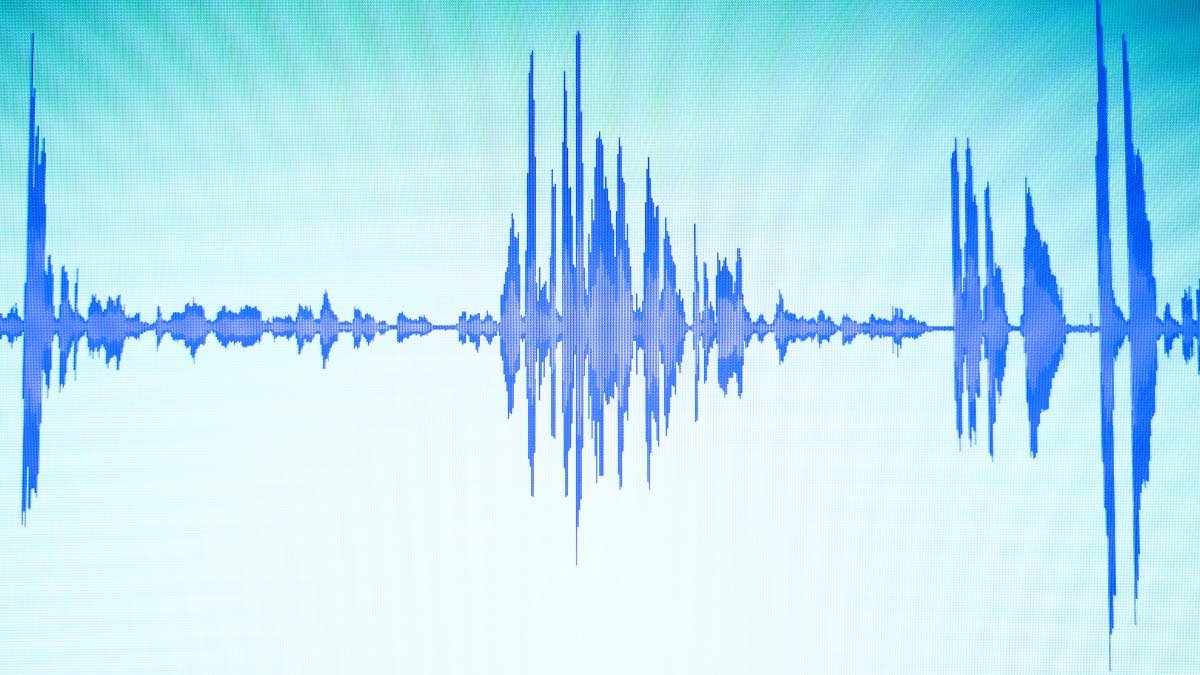
With your levels properly set, all that remains is tuning those fine-tuning knobs! If you want to hear just how much your sound adjustments have influenced the final outcome of your track then click on the ‘Scope’ button located at the bottom left-hand corner; after which navigate to the desired region of your audio file and observe its corresponding waveform.
2. Tau Ploj Hauv Hav Zoov Cua
If you’re a nature enthusiast, why not take advantage of this magnificent setting? This can be accomplished simply by utilizing the ‘Move Tool’ to relocate your recording from its initial position into an area with more seclusion and fewer obstructions.
To create a Windy Woods ambience, begin by positioning your microphone in front of you as if you were standing beneath the canopy at dawn. Next select the ‘Tool Selector’ located towards the bottom of your Toolbar; alternatively use any other relevant selection if preferred.
Use the move tool to shift your recording into an optimal location for capturing the wind’s narrative. You may choose between various purposes such as creating a bustling scene (such as under a freeway), or merely prolonging it for an undulating experience – all within reach!
3. Ua Si Hauv Chav Puddle
To compose a perfect soundscape, you must consider the ambience as well. This can be achieved through spatialized audio techniques like binaural recording and IEMs – which is an excellent method for listening to music when in crowded places such as airports or on public transportation.
For instance, using IEMs with the reverberant effect turned up may create an experience closer to being in an empty spacious room than your typical earbuds-wearing commute! Nyob rau hauv lub flip sab txawm hais tias – lawv kuj yuav muab ib co tsis tau xav txog tshwm sim yog hais tias peb nyob nraum tham txog ntau yam chav ua noj chaw nyob qhov twg lub suab reflection tej zaum yuav qiv nws tus kheej zoo nkauj nicely rau crafting ib tug whimsical muaj pes tsawg leeg!
4. Muaj Taug Kev Tsis Muaj Npe
Tom qab ib tug ntev hnub trekking, tej zaum nws yuav tsim nyog quell koj ruminations nrog ib tug relaxing nap. Tab sis ua ntej poob tawm rau tsaug zog, yog vim li cas tsis tso ib tug expedition nyob rau hauv lub ntiaj teb no lub feem ntau majestic crags?
Tsis muaj teeb meem dab tsi koj xaiv taug txuj kev nyuaj tej zaum yuav yog, muaj feem yuav hais tias xwm yuav muab ntau-xav tau restorative calmness. Muaj ib yam dab tsi hais txog tau raus nyob rau hauv xwm uas tso lub siab los ntawm nws txhua hnub cares – yog hais tias tsuas yog rau ib pliag!
5. Kauj ruam tawm ntawm tus duab ntxoov ntxoo
Koj puas tau xav tias yog vim li cas ib co lem suab thiaj li polished, thaum lwm tus neeg zoo li ib tug me ntsis ntxhib nyob ib ncig ntawm cov npoo? Nws tuaj yeem yog vim tias cov txheej txheem sib tov tau ua tiav ntau dua nyob rau hauv rooj plaub dhau los; Nws tag nrho los txog rau hom khoom siv rau txhua txoj kab.
Yog tias koj qhov sib tov muaj ntau yam twj paj nruag, xws li guitars thiab vocals, tom qab ntawd xaiv cov khoom siv tsim nyog tshaj plaws dhau los ua qhov tseem ceeb. Tsis txhob xav tias muaj kev nyuaj siab siv vintage-style amplifiers – yog tias lawv tsis haum rau koj lub suab paj nruag style lossis hom ntawv nyeem, tom qab ntawd tsuas yog lo nrog dab tsi ua haujlwm zoo tshaj plaws!
Lub ntsiab lus tseem ceeb yog tias kho vajtse tuaj yeem cuam tshuam rau lub suab zoo, uas thaum kawg tuaj yeem ua rau muaj kev sib xyaw suab zoo dua.
6. Tau txais kev zoo siab rau lub tshuab nqus tsev vacuum
Txav mus los ntawm lub microphone, thiab peb nyob hauv qhov chaw sib txawv kiag li – koj qhov chaw ua haujlwm. Txawm hais tias koj tab tom nrhiav txoj haujlwm lossis tsuas yog xav tsim ib qho podcast ntu hauv tsev; consider investing in a vacuum cleaner!
This mighty appliance is a true time-saver when it comes to eradicating unwanted noise like static or popping sounds. Just set it on autopilot and let it do its thing while you get down to business!
7. Nrhiav ib qho chaw rau dab dej los yog ntab
If you find it difficult to concentrate on your work when there are distracting sounds in the environment, then consider purchasing an isolated room for productivity.
If isolation is not feasible, research shows that floating or sinking into a bath can allow for peaceful concentration after prolonged periods of listening to noisy surroundings.
Xaus
To eliminate background noise from your recordings, begin by ensuring that they are free from all other voices and noises. Ces, use the equalization tool to boost key frequencies while simultaneously reducing low-level sounds; this will result in a more spacious soundscape.