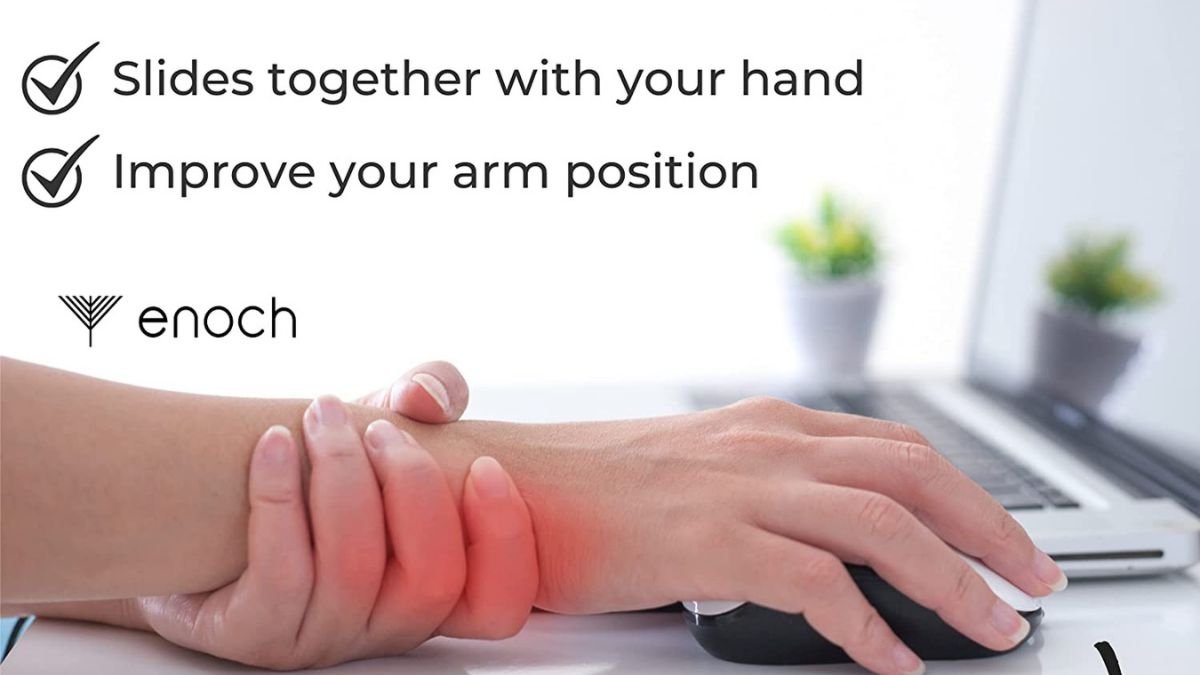
Kawm yuav ua li cas tuav nas kom tsis txhob muaj carpal tunnel syndrome, thiab yuav ua li cas txav koj txhais tes kom zoo kom tsis txhob muaj nws. Tej zaum koj yuav xav tias koj muaj kev tiv thaiv kab mob ntawm carpal tunnel syndrome. Tom qab tag nrho, koj tsis yog ib tus neeg ua haujlwm hauv chaw ua haujlwm. Tab sis, koj yuav tsis ncaj ncees lawm. Xav txog nws. Yog tias koj siv koj lub computer nas tag nrho hnub, ces koj muaj kev pheej hmoo ntawm kev txhim kho carpal tunnel syndrome.
Dab teg mob tuaj yeem tshwm sim los ntawm ntau yam suav nrog carpal tunnel syndrome, tendinitis, thiab mob caj dab. Txhawm rau tiv thaiv qhov mob dab teg, Kawm yuav ua li cas tuav nas kom zoo. Nws yeej tsis lig dhau los hloov koj tus cwj pwm. Yog tias koj tab tom sim txhim kho koj cov nas tuav kev txawj ntse, ces koj nyob nraum txoj kev yog. Read this article and find out how to hold a mouse to avoid carpal tunnel syndrome and other repetitive stress injuries.
Some points to use the mouse correctly:
- Position of your mouse must be comfortably relative to your body. Don’t put it too far – keep your elbow at a 90 degree angle.
- Don’t grip mouse too tightly, gripping mouse tight can cause pain and injuries.
- Don’t use your wrist to move the mouse, use your arm.
- Adjust your mouse settings correctly and according to your comfort.
- Take regular breaks.
Yuav Ua Li Cas Tuav Tus Nas Kom Tsis Txhob Carpal Qhov:

There are many different ways to hold a mouse, and many of these ways can cause carpal tunnel and other injuries. The most common injury resulting from incorrect mouse use is carpal tunnel syndrome. Carpal tunnel syndrome is a painful injury that affects the nerves in the wrist area. It can cause numbness, tingling, and weakness. Carpal tunnel syndrome is caused by repeated movements. The best way to avoid carpal tunnel and other injuries is to hold the mouse correctly to prevent overexertion of the wrist and forearm.
Lub Chaw Nas:
Where you place your mouse is extremely important for your wrist, a, y. We rarely think about the position of our mouse. Some people reach too far for the mouse, rather than keeping it close to the keyboard which can cause neck and shoulder pain. Your elbow should stay at a 90-degree angle. Your hand should form a right angle with your forearm and the mouse. Your fingers should be on the buttons rather than just resting on top of them. The mouse should be relatively close to the keyboard to minimize repetitive twisting of the hand and wrist.
Yuav Ua Li Cas Tuav Nas:
Picking up the right mouse for your hand and grip style can help you to avoid pain, injury, and fatigue caused by gripping the mouse too hard. If you are experiencing pain in your hand and forearm, pain in your elbow, or pain in your wrist you may wish to adjust the way you grip your mouse and the way you click.
Most people don’t even realize they’re gripping their mouse or pressing it down hard when they use it. The problem with this is that it can cause a lot of pain in your hand and wrist – not to mention it can lead to injuries. To avoid this and, s, have a more comfortable experience with your mouse all you have to do is hold it loosely and lightly. Hold the mouse with your hand relaxed. This way you can use the mouse more efficiently and avoid injury.
When you’re using a computer, the mouse is your best friend. You hold it close and use it to perform all the necessary operations. tiam sis, you should not let your mouse become your enemy. Gripping the mouse tightly can cause injury to your hand and wrist. It may also cause issues with your wrist and elbow joints.
Li ntawd, yog li, it is suggested to use a mouse loosely and lightly. If you need to hold the mouse tightly, make sure you don’t hold it for more than 15 feeb. But in such a case, you should use a wrist pad. If you are suffering from pain due to gripping the mouse tight, you should immediately consult your doctor. Let your fingers rest on the mouse rather than keeping your fingers in the air when you are not clicking the mouse buttons. Take off your hand from the mouse if you are not using it.
Nas Kom Zoo:

Posture Proper mouse posture begins with sitting straight, keeping your shoulders back and relaxed and your elbows bent at a 90-degree angle. Having the proper mouse posture is essential to avoid carpal tunnel syndrome. The main reasons that people use a mouse are because it’s an efficient way to get your cursor around, and you don’t have to move your arm to use it.
The problem is that people tend to bend their wrists at an angle when they use a mouse. This is a big part of carpal tunnel syndrome, which can be caused by repetitive stress injury. The most recommended way to use a mouse is to allow your forearm to rest on the desk, with your wrist straight.
Carpal tunnel syndrome is caused by repetitive stress and is the most common repetitive strain injury (RSI). It’s a painful condition that results in tingling, numbness, or weakness in the hand and wrist. The only way to avoid carpal tunnel syndrome is to avoid repetitive stress injuries, but it’s difficult to avoid these injuries completely. Wrist supports help support the wrist and relieve pressure on the median nerve. They help keep the wrist in a neutral position while typing, relieving strain and tension.
Mouse Grip Styles:

The mouse grip styles are the ways in which humans grip and hold on to a mouse in order to use it. The mouse grip styles simply describe the hand position that people have on their mouse. Cov three main mouse grip styles are:
- Xibtes tuav
- Claw Grip
- Ntiv tes tuav
Xibtes tuav: The Palm Grip is the most common mouse grip style. It’s the most comfortable and efficient of all mouse grip styles. It is the most common mouse grip style. The Palm Grip is a style in which the user grips the mouse with their palm.
Claw Grip: The Claw Grip is a mouse grip style in which the user grips the mouse with the claw at the base of their fingers.
Ntiv tes tuav: In Fingertip Grip the user only makes contact with the mouse button with the tip of their fingers. The mouse grip styles simply describe the hand position that people have on their mouse.
These three grips of the mouse are used to hold the mouse we have discussed these three grips in detail in our article “Txawv nas tuav”.
Cov lus kawg:
Peb cia siab tias tsab xov xwm no tau pab koj nkag siab zoo txog txoj hauv kev sib txawv uas koj tuaj yeem tuav tus nas kom tsis txhob muaj qhov carpal. Siv sijhawm los xav txog cov nas sib txawv yog txoj hauv kev zoo los ua kom koj lub dab teg sib npaug thiab tiv thaiv kev ntxhov siab, uas tuaj yeem ua rau koj lub dab teg puas tsuaj. Ua tsaug rau kev nyeem ntawv, Peb ib txwm nyiam hnov los ntawm peb cov neeg nyeem! Yog tias koj muaj lus nug, Koj tuaj yeem tawm koj cov lus nug hauv lub thawv tawm tswv yim.