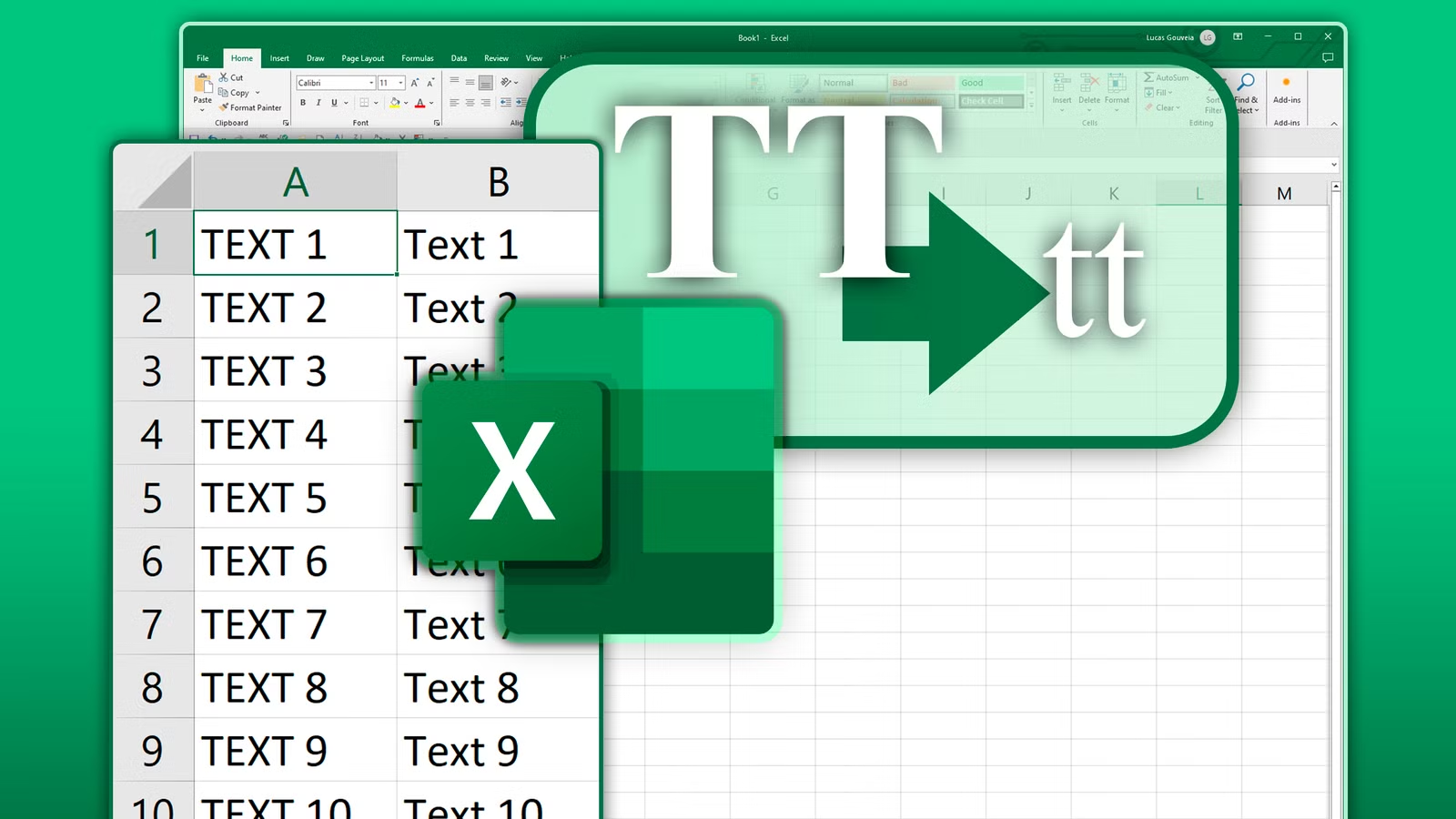
In this digital age presentation is as important as the content. If you’re writing emails, creating content for websites and reports, or creating images, text formatting plays an essential part in the readability and interaction. One of the most common formatting issues users face is text that’s the uppercase letter. While the use of uppercase letters can attract the attention of others, it can seem unprofessional and hard to understand.
This guide will take you through all you need to know about the conversion of lowercase to uppercase with simple techniques as well as practical suggestions along with tools for making your content more appealing professional and SEO-friendly.
Why Text Formatting Matters
The formatting of text isn’t just about aesthetics, it impacts comprehension, legibilidad, and even user engagement. Incorrect use of uppercase text could have a number of negative consequences:
- reduced readability The human eye reads lowercase words quicker than uppercase. Long paragraphs of uppercase text are exhausting to read.
- Perceived Tone Ga̲tho ya letras mayúsculas texto xi frecuencia ar percibido komongu ruidoso wa ya 'nandi agresivo. 'Me̲hna ndi da ár audiencia ar sienta incómoda.
- Profesionalismo: Inapropiado njapu'befi ya nthuts'i mayúsculas pa ya blogs, comunicaciones comerciales wa correos electrónicos xi parecer hinda pulir.
- SEO ne compromiso ar usuario texto xi hño formateado ne legible mantendrá ya usuarios ja ir sitio mäs pa, mejorando nja'bu̲ bí nja'bu̲ SEO .
Nu'bu̲ gí bi pa̲ti texto mayúsculas minúsculas hingi ho̲ntho mejorará ar legibilidad, 'nehe mejoras accesibilidad ne aspecto xi hño ar tsa̲ ár contenido.
Understanding Uppercase and Lowercase

'bu̲ 'be̲tho ndi ndu̲i ndi explorar formas ar convertir ar crucial t'ode ar distinción entre mayúsculas ne minúsculas.
- Ya nthuts'i minúsculas 'nehe ar conocidos komongu ya nthuts'i mayúsculas. comúnmente ar utilizan pa enfatizar, encabezados wa acrónimos, nja'bu̲ komongu pa ndi du̲'mu̲hu̲ ya oraciones. Ejemplo: HALA XIMHA̲XIMHA̲
- Ya nthuts'i minúsculas Nuna gehna ya nthuts'i regulares da utilizan jar ár nju̲ts'i ar frase estándar. Ejemplo: Hadi jar ximha̲i!
Utilizando 'nar mezcla Nthuts'i minúsculas ne mayúsculas eficientemente tsa̲ da aumentar flujo contenido, Estilo 'nehe ar accesibilidad ár hñei.
Methods to Convert Uppercase to Lowercase
Jawa 'nar variedad nt'ot'e pa convertir textos mayúsculas da minúsculas. Ar nja ntsoni ar basa jar klase ar flujo ar 'be̲fi gí prefiere, Ár plataforma, Ne preferencias thuhuse̲.
1. Using Microsoft Word
Microsoft Word ge 'na ya bo̲jä nu'u̲ mäs utilizadas pa ar edición texto. Ofrece 'nar nt'ot'e hei pa convertir texto mayúsculas jar texto minúsculas:
- Xi hño da ja da resalte ar texto nä'ä gi mpa̲ti.
- 'Yot'e clic jar ficha Inicio. Inicio Ficha.
- Simplemente 'yot'e clic ja ar Mpa̲ti Hogem'bu̲ Botón ('Nar mayusculas “'Nar” Ne minúsculas “A”).
- Seleccionar Minúsculas.
'Me̲hna bi pa̲ti ir texto ar instante hinda alterar ar contenido. Po̲ts'e 'nehe bí permite mpa̲ti ja minúsculas, uppercase as well as title, giving you the ability to change your text according to your needs.
2. Using Google Docs
Google Docs is widely used for writing collaboratively and provides an easy capitalization tool:
- Make sure you highlight your words.
- 'Yot'e clic jar for Format on the left menu.
- Desplazamiento dige texto – 'Yot'e clic jar Majúsculas – Seleccionar Minúsculas.
The text will immediately change to lowercase. This technique is particularly beneficial in cloud-based or team-based documents.
3. Using Excel for Bulk Data
If you work using spreadsheets Excel’s function LOWER() función can help convert uppercase text fast:
- Let’s say you have your message in A1 cell. In a different cell enter:
- Press Enter Press Enter, and the text will change to lowercase.
- The formula can be dragged down so that it can be used on several rows.
- This approach is great for databases, lists, or any other large amount of data which requires formatting.
4. Online Tools for Quick Conversion
If you don’t have programs like Word or Google Docs, online text converters can be useful:- Copy the uppercase text.
- Copy this into an online convertor.
- Seleccionar Minúsculas.
- Then copy the text you converted back into your document.
- These tools are speedy and device-independent. They require no installation. They are ideal for those who write, market as well as students in need of fast solutions.
5. Keyboard Shortcuts for Fast Editing
A lot of text editing software allows users to convert cases by keyboard shortcuts.- Microsoft Word: Highlight text, then use shift + F3 to switch between caps, lowercase and the title case.
- Google Docs Although there isn’t a way to do it to use, using Text Format – Format Capitalization – Lowercase is quick and effective.
- Keyboard shortcuts help save time, particularly when editing large files or emails.
Benefits of Lowercase Text
The switch from lowercase to uppercase text can provide multiple benefits to the readability, tone, as well as SEO:- Better Readability The lowercase lettering allows readers their eyes to move effortlessly which reduces strain and improves comprehension.
- Professional Appearance Lowercase text appears visually smooth and looks more polished in formal communications.
- Higher Engage: Readable content keeps customers on your website for longer, increasing engagement as well as SEO metrics.
- Conformity Consistent case format increases your content’s credibility and professionalism.
Best Practices for Text Case Usage
While changing text from uppercase to lowercase is crucial making use of text case effectively is equally crucial. Here are a few best methods:
- Use uppercase sparingly: Limit all caps to headings, acronyms or for emphasis. Njapu'befi demasiadas mayúsculas to parecer tx'u̲tho profesionales.
- Mantenga nt'ot'e oración pa ya xeni Hogem'bu ar oración estándar ar hei ar entender.
- Hogem'bu hontho pa ya titulares Xi hño da ja da gí capitaliza ya hñä mäs mahyoni jar encabezados ne títulos pa mejorar ar claridad ne ar SEO.
- Ar consistencia ar mahyoni: Garantizar ar uniformidad a través de nga̲tho ár contenido – Posts blog, Correos electrónicos nja'bu Komo redes ja ya 'mui.
- Errores pa ngatho nu'bu nu'bu
- Dejando bloques dätä jar mayúsculas: 'Me̲hna to da abrumador pa ya lectores. Nzäm'bu̲ mpa̲ti xeni Nthuts'i da minúsculas siempre da mahyoni.
- Njapu'befi inconsistente ar Hogem'bu: Mpa̲ti ar azar ja ya caracteres mayúsculas ne minúsculas to da confuso pa ya lectores.
- Utilizando bo̲jä nu'u̲ jar 'ñu hinda corrección ar texto 'ra ya conversores podrían modificar caracteres hontho wa espaciado. Nzäm'bu̲ comprobar ár texto.
- Honja conversión ar nt'ot'e mejora SEO
The quality of text that is formatted properly improves the user experience and is an important aspect of SEO. Below is how lowercase conversion can help:- Lower Bounce Rate The ability to read content will keep users on the page for longer.
- More Engage: Proper formatting encourages comments as well as shares and interactions.
- enhanced crawlability: Clear and structured text aids search engines in understanding the content you post better.
- Utilizing lowercase texts correctly in your content strategy is in line with the most current SEO practices that are focused on reading comprehension and user experience.
Tips for Effortless Uppercase to Lowercase Conversion- Design Your Formatting Determine which uppercase characters are required (headings and emphasis) and when lowercase is preferred.
- Utilize built-in software features: Tools like Word, Docs, and Excel offer quick alternatives for case conversion.
- Utilize Online Tools when You Need It: Quick conversion is feasible without the need for the installation of software.
- Proofread Following Conversion: Ensure punctuation, spacing and capitalization are correct after conversion.
- Learn your team: When working in a collaborative manner use the same case for all the content.
- Real-Life Applications
1. Business Communication
Reports, emails and presentations appear more professional if the text is clear. Do not use all caps unless you are emphasising important points.
2. Blogging & Content Writing
Converting text from uppercase to lowercase makes sure that your blog posts are easy to comprehend and visual attractive. Search engines also like content that improves user experience.
3. Social Media Marketing
Social media posts that are properly formatted text formatting will attract more people to engage. Attention can be drawn to all caps but they can be considered to be shouting. The use of uppercase in a balanced way with lowercase can be more appealing.
Njäts'i nu'bu
An effortless higher-case text to lowercase can be more than a basic modification to formatting. It’s an important step towards professional, clear and SEO-friendly material. No matter if you’re a blogger marketer student, professional in business, changing your text to lowercase can improve understanding, tone, and engagement.
Utilizing tools such as Microsoft Word, Google Docs, Excel, online converters or keyboard shortcuts you can make the process smooth. Add this to top practices for using case and your site won’t just look more appealing, Pe 'nehe ga OT'UJE hño jar 'ñu.
Pasando 'ra ya t'olo ora jar formato xi na za ár texto da Nar dätä hño 'nar Nar dätä hño impacto jar Honja ár contenido ar visto ne xí hyandi ya. Da du'mi proceso conversión texto mayúsculas jar minúsculas nu'bya xtä ne mejorar ár contenido.