
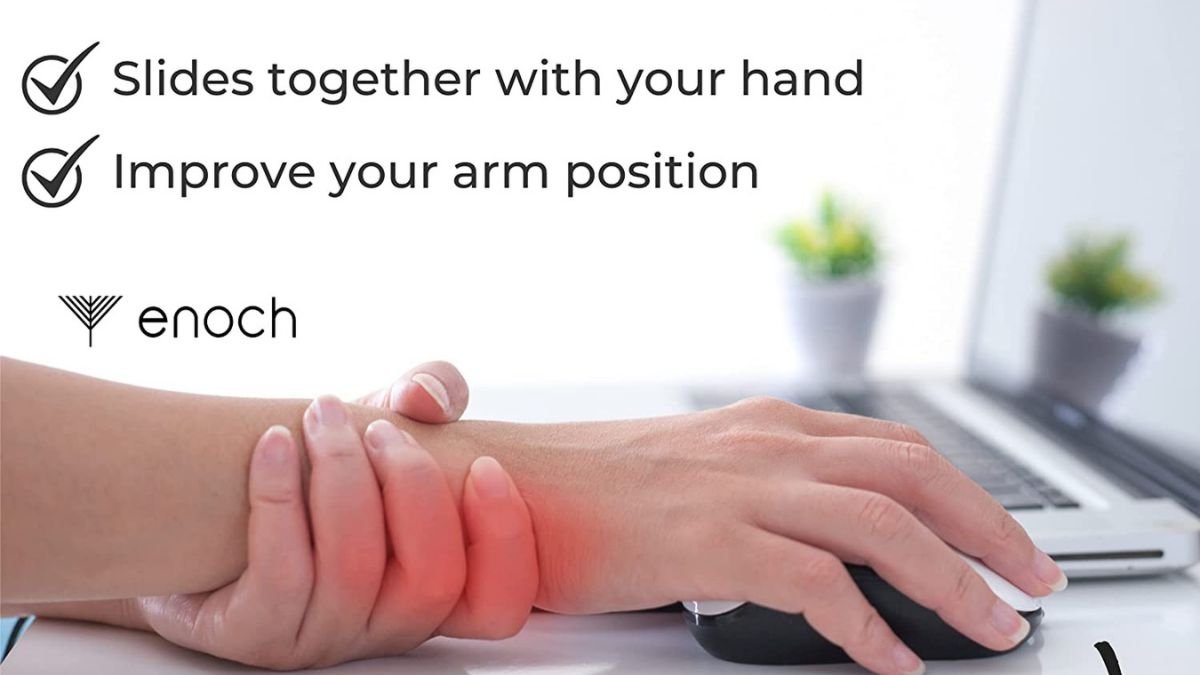
meya cómo sostener 'nar t'u̲ngu pa nu'bu síndrome túnel carpiano, ne honja mover ar 'ye̲ correctamente pa nu'bu nä'ä. gí ndi mbeni ke Gar inmune ja ar síndrome túnel carpiano. 'Me̲fa nga̲tho, hingi Gar 'nar pe̲fi ar oficina. But, Nu'i gí to da equivocado. Gi mbeni nä'ä. Nu'bu̲ gi japu̲'be̲fi ar t'u̲ngu ordenador nga̲tho ar pa, gem'bu̲ gi riesgo ar nte síndrome túnel carpiano.
'ñu̲ ya muñecas to da causada ja 'nar serie factores da 'ñent'i síndrome túnel carpiano, tendinitis, ne artritis. pa da mä 'met'o 'nar 'ñu̲ ya muñeca, gi meya da sostener 'nar t'u̲ngu correctamente. Ni 'nar pa 'bu̲i xki nde pa mpa̲ti yá hábitos. Nu'bu̲ gí 'bu̲i pa ndi bädi mejorar yá habilidades manejo ar t'u̲ngu, then you’re on the right track. Read this article and find out how to hold a mouse to avoid carpal tunnel syndrome and other repetitive stress injuries.
Some points to use the mouse correctly:
- Position of your mouse must be comfortably relative to your body. Don’t put it too far – keep your elbow at a 90 degree angle.
- Don’t grip mouse too tightly, gripping mouse tight can cause pain and injuries.
- Don’t use your wrist to move the mouse, use your arm.
- Adjust your mouse settings correctly and according to your comfort.
- Take regular breaks.
Honja sostener 'nar t'u̲ngu pa nu'bu ar túnel carpiano:

There are many different ways to hold a mouse, and many of these ways can cause carpal tunnel and other injuries. The most common injury resulting from incorrect mouse use is carpal tunnel syndrome. Carpal tunnel syndrome is a painful injury that affects the nerves in the wrist area. It can cause numbness, tingling, and weakness. Carpal tunnel syndrome is caused by repeated movements. The best way to avoid carpal tunnel and other injuries is to hold the mouse correctly to prevent overexertion of the wrist and forearm.
nt'o̲t'e ar t'u̲ngu:
Where you place your mouse is extremely important for your wrist, elbow, and shoulder. We rarely think about the position of our mouse. Some people reach too far for the mouse, rather than keeping it close to the keyboard which can cause neck and shoulder pain. Your elbow should stay at a 90-degree angle. Your hand should form a right angle with your forearm and the mouse. Your fingers should be on the buttons rather than just resting on top of them. The mouse should be relatively close to the keyboard to minimize repetitive twisting of the hand and wrist.
Honja sostener ar t'u̲ngu:
Picking up the right mouse for your hand and grip style can help you to avoid pain, injury, and fatigue caused by gripping the mouse too hard. If you are experiencing pain in your hand and forearm, pain in your elbow, or pain in your wrist you may wish to adjust the way you grip your mouse and the way you click.
Most people don’t even realize they’re gripping their mouse or pressing it down hard when they use it. The problem with this is that it can cause a lot of pain in your hand and wrist – not to mention it can lead to injuries. To avoid this and, instead, have a more comfortable experience with your mouse all you have to do is hold it loosely and lightly. Hold the mouse with your hand relaxed. This way you can use the mouse more efficiently and avoid injury.
When you’re using a computer, the mouse is your best friend. You hold it close and use it to perform all the necessary operations. Wat'i, you should not let your mouse become your enemy. Gripping the mouse tightly can cause injury to your hand and wrist. It may also cause issues with your wrist and elbow joints.
Nja'bu da, it is suggested to use a mouse loosely and lightly. If you need to hold the mouse tightly, make sure you don’t hold it for more than 15 minutes. But in such a case, you should use a wrist pad. If you are suffering from pain due to gripping the mouse tight, you should immediately consult your doctor. Let your fingers rest on the mouse rather than keeping your fingers in the air when you are not clicking the mouse buttons. Take off your hand from the mouse if you are not using it.
postura adecuada ar t'u̲ngu:

Posture Proper mouse posture begins with sitting straight, keeping your shoulders back and relaxed and your elbows bent at a 90-degree angle. Having the proper mouse posture is essential to avoid carpal tunnel syndrome. The main reasons that people use a mouse are because it’s an efficient way to get your cursor around, and you don’t have to move your arm to use it.
The problem is that people tend to bend their wrists at an angle when they use a mouse. This is a big part of carpal tunnel syndrome, nä'ä to da causada ya lesión estrés repetitivo. Honja mäs recomendada ar zu̲di 'nar t'u̲ngu ar hegi nuna ar Hmunts'i da ár antebrazo descanse ja ar escritorio, ko ar muñeca recta.
Carpal tunnel syndrome ar causada ya estrés repetitivo ne ge ar lesión ar esfuerzo repetitivo mäs hne ngatho (RSI). ge 'nar 'mui nthe dolorosa da resulta jar hormigueo, entumecimiento, wa debilidad ar 'ye̲ ne ar mu̲xa. Ho̲ntho bí nu'bu ar síndrome ar túnel carpiano ar nu'bu ya lesiones estrés repetitivo, pe xí hñembi nu'bu gi lesiones completamente. Apoyos ya muñecas ayudan da apoyar ar mu̲txu ne aliviar ar presión dige ar nervio mediano. ayudan da zeti ar muñe̲ jar nt'o̲t'e neutra Mente ar escriben, aliviar ar tensión ne ar tensión.
honja xi t'ot'i agarre ar t'u̲ngu:

ya honja xi t'ot'i agarre ar t'u̲ngu ya maneras ja ya jä'i agarran ne sujetan 'nar t'u̲ngu pa ndi utilizar. The mouse grip styles simply describe the hand position that people have on their mouse. The three main mouse grip styles are:
- Palm Grip
- Claw Grip
- Fingertip Grip
Palm Grip: The Palm Grip is the most common mouse grip style. It’s the most comfortable and efficient of all mouse grip styles. It is the most common mouse grip style. The Palm Grip is a style in which the user grips the mouse with their palm.
Claw Grip: The Claw Grip is a mouse grip style in which the user grips the mouse with the claw at the base of their fingers.
Fingertip Grip: In Fingertip Grip the user only makes contact with the mouse button with the tip of their fingers. The mouse grip styles simply describe the hand position that people have on their mouse.
These three grips of the mouse are used to hold the mouse we have discussed these three grips in detail in our article “Different Mouse Gripsg.
Palabras finales:
We hope that this article has helped you to better understand the different ways you can hold a mouse to avoid carpal tunnel. Taking the time to consider different mouse grips is a great way to keep your wrist in line and prevent stress, which can cause damage to your wrist. Di jamädi ar lei, we always like to hear from our readers! If you have any questions, you can leave your questions in the comment box.

