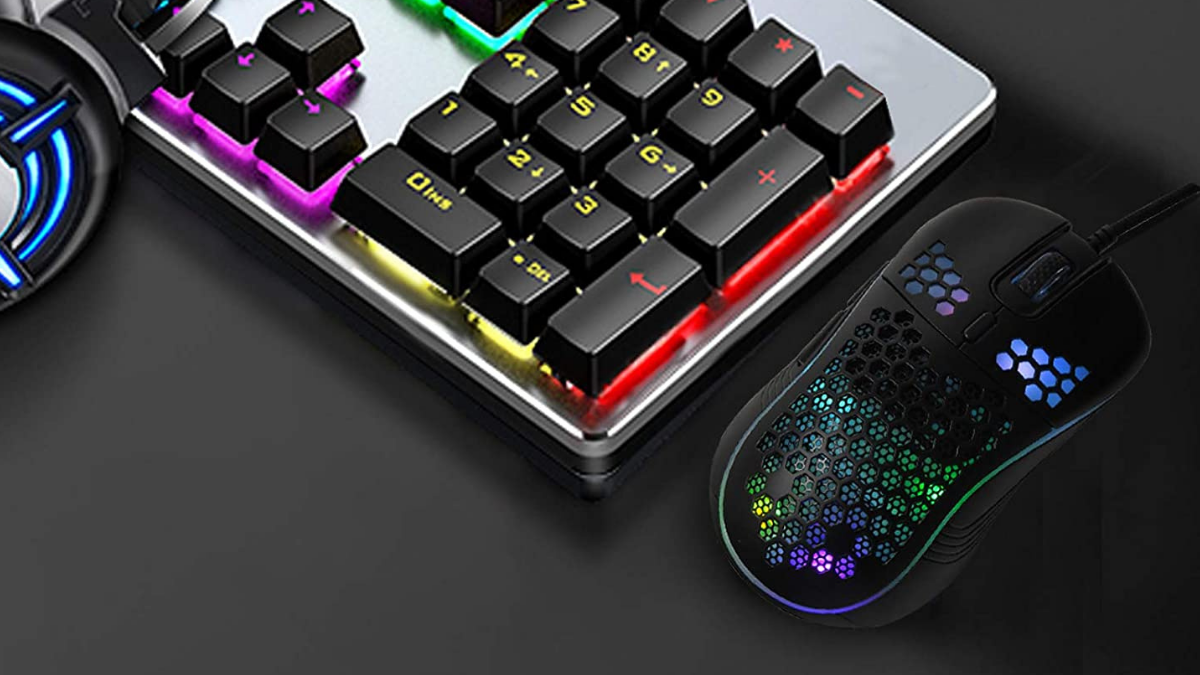
Gi pädi Temu̲ ge 'nar t'u̲ngu óptico? 'nar computadora t'u̲ngu ge 'nar dispositivo señalador 'ye̲ pa computadoras, consistir jar 'nar pequeño nt'ot'e da mueve jár control manual mbo yoho dimensiones a lo largo de 'nar superficie. jar ngäts'i ar computadora, 'nar t'u̲ngu ge 'nar periférico ordenador jä'i nä'ä da gi japu̲'be̲fi pa controlar yá 'ñäni ar cursor pantalla 'nar ordenador. Nuna ar post ar blog gi hyandi ar 'bede mahä'mu̲ ar t'u̲ngu ne ár mahyoni da jar ximha̲i ar computadora.
'bede mahä'mu̲ ar t'u̲ngu :
Ratones ar computadora xi recorrido ya'bu̲ 'ñu ja ya últimas décadas. Ar ndu̲i ar t'u̲ngu , inventado jar 1963 ya Douglas Engelbart, mar 'nar artilugio ya bo̲jä, ne xithe̲ ko yoho ya ruedas ne 'nar botón. Bí basado ja ya primeras teleimpresoras da utilizaron ko ya primeros ordenadores. Pa utilizar ar t'u̲ngu , ar usuario movería 'na ya ruedas jar 'mui opuesta nä'ä mi ne da cursor ar mover .
'Nar t'u̲ngu mi necesitaba ngetho ya teleimpresoras mi 'nar teclado ne 'nar impresora pe ni 'na jar bí mover ar cursor ar pantalla. Ar t'u̲ngu Engelbart bí mejorado ir nge ar Bill ingles jar made nthoni Xerox Palo Alto (PARC) jar principios ar década 1970. Bí entonces ke ar t'u̲ngu consiguió ár thuhuu. Ar t'u̲ngu Xerox bí conectado 'nar ordenador ir nge 'nar cable. Mi pe̲ts'i hñu ya botones ne 'nar rueda desplazamiento. 'Nehe, ar t'u̲ngu ya hingi mi conectado ja ar ordenador ir nge 'nar cable — mar inalámbrico.
Temu̲ ge 'nar t'u̲ngu óptico?

'Nar t'u̲ngu óptico ge 'nar t'u̲ngu ordenador da utiliza LED wa 'nar láser pa rastrear detectar yá 'ñäni. Bí introducido ya bes ya Microsoft jar abri 19, 1999. Bí ndu̲i ar t'u̲ngu nä'ä da producido jar masa utilizando tecnología seguimiento óptico. ar t'u̲ngu óptico ar capaz ar dätä resolución yá 'ñäni.
ar t'u̲ngu óptico ge 'nar dispositivo entrada da mide ár yá 'ñäni iluminando ar superficie debajo de nu'ä ko 'nar tsibi xí hñets'i'i nts'edi , gem'bu̲ seguimiento ar tsibi nu'u̲ refleja ir nge 'nar sensor mfaxte. ar t'u̲ngu óptico ge 'nar dispositivo entrada da mide ár yá 'ñäni iluminando ar superficie debajo de nu'ä ko 'nar tsibi xí hñets'i'i nts'edi , gem'bu̲ seguimiento ar tsibi nu'u̲ refleja ir nge 'nar sensor mfaxte.
'nar t'u̲ngu óptico to mpe̲fi jar 'na superficie, ne hingi requiere 'nar bola t'u̲ngu alfombrilla ar t'u̲ngu . ar láser xi jar xeni inferior ar t'u̲ngu ne ar gi japu̲'be̲fi pa rastrear yá 'ñäni. ar similar ja 'nar bola ar t'u̲ngu pe mpe̲fi ko 'nar sensor óptico. 'bu̲i yoho versiones ar t'u̲ngu óptico, dá da gi japu̲'be̲fi ya LED ne dá nä'ä gi japu̲'be̲fi 'nar láser.
Ya mäs tso̲kwa menudo utilizados jar computadoras sobremesa pe xi tingigi mbo ar ko ordenadores portátiles. Optical mice are often preferred over ball mice because they do not require a surface with a alfombrilla ar t'u̲ngu or mouse surface, or the user to “sweep” the mouse back and forth over the pad or surface.
Optical mice have been the standard for quite some time and are still the most popular choice. They operate by tracking the movement of light over the surface of the mouse. Wat'i, there are some drawbacks to using an optical mouse. There are many criticisms pointing to their sensitivity and poor accuracy. They are also not as durable as their counterpart, the mechanical mouse.
Optical mice were introduced as an alternative to mechanical mice. They work by clicking buttons, which send signals and data to the computer. Ya ratones ópticos pe̲ts'i 'nar nzaki útil xingu mäs xi maki da ratones mecánicos ngetho hingi contienen ni 'na jar xeni móvil.
LED mouse
'nar t'u̲ngu LED gi japu̲'be̲fi 'nar rojo (wa k'angi) diodo emisor ar tsibi (LED) pa iluminar ar superficie debajo de nä'ä ne gi japu̲'be̲fi 'nar fotosensor pa detectar cambios jar hmu ar tsibi. Puntero ar t'u̲ngu ár LED ar atasca nu'bu̲ bí coloca ja 'nar alfombra gruesa wa 'nar manta, ne xí hñembi ar puntero ar t'u̲ngu jar Nunu̲ t'olo ora. Ar t'u̲ngu LED ge ar mäs xi hño ngetho funciona hño ja ya superficies suaves.
Ratones ópticos utilizan 'nar LED ne 'nar sensor ar tsibi pa detectar yá 'ñäni. Ar LED emite 'nar haz tsibi. Komo ar t'u̲ngu ar mueve, ar tsibi refleja ar superficie cambia. Ar sensor ar tsibi detecta intensidad ar tsibi reflejada ir nge ar superficie. The t'u̲ngu xu̲ki envía ar ungumfädi ja ar ordenador. The computer processes the data and converts it into mouse movements that allow you to use the mouse in the same way as you would with a mechanical mouse. In addition to being more reliable and accurate than mechanical mice, optical mice also use less battery power and have a longer lifespan.
T'u̲ngu láser :
A laser mouse is a computer mouse that uses a laser beam to detect movement relative to the mouse’s surface. The first optical mouse was invented in 1996 by Kenjiro Takayanagi at the Japanese company Logitech. The laser mouse was presented in the late 1990s, and it superseded the old-style mechanical mouse because its sealed bottom surface did not absorb dust and dirt.
The laser mouse uses a laser diode to project a light spot onto the surface. Ar punto ar tsibi bí traduce ja yá 'ñäni ar cursor ar pantalla. Ar t'u̲ngu láser ar mäs hmädi da ar t'u̲ngu LED ne requiere 'nar hontho alfombrilla ar t'u̲ngu . Ar t'u̲ngu láser, ir otro lado, funciona hño ja ya superficies duras ngetho emite 'nar haz tsibi ne detecta yá 'ñäni ar haz ar tsibi. Nu'bu̲ ar t'u̲ngu ge 'nar t'u̲ngu láser, nu'i gi comprobar Tengu DPI pe̲ts'i ne nu'bu̲ ar ajustable wa hi'nä. Nu'bu̲ ma gi ta̲i 'nar t'u̲ngu ar cómodo ar zu̲di, Nu'i gi ta̲i 'na nä'ä hingi xki ligero wa xki hñei.

T'u̲ngu óptico vs t'u̲ngu mecánico
Ratones ópticos utilizan 'nar fuente tsibi LED ne 'nar fotosensor pa detectar yá 'ñäni. Ar LED ilumina ar superficie debajo de ar t'u̲ngu , ne ar fotosensor recoge ar tsibi reflejada. Ar sensor gi ungu̲mfädi cambios jar intensidad ar tsibi ja ar ordenador, Da procesa ya datos yá 'ñäni ne traduce nä'ä ja yá 'ñäni ar cursor.
ratones mecánicos Tobe utilizan 'nar bola goma. Ar bola xi montada ja 'nar eje, ne rueda alrededor mbo jar t'u̲ngu Mente bí mueve. Circuitería ar t'u̲ngu detecta nt'o̲t'e ar bola ir nge ar cuenta ya pulsos eléctricos generados yá 'ñäni ar bola . Nuna ar ungumfädi gem'bu̲ bí envía ja ar ordenador, ho bí mueve ar cursor.
Njäts'i nu'bu:
Di to̲'mi da disfrutado ma xeni Nthuts'i dige nä'ä ge 'nar t'u̲ngu óptico. Ar t'u̲ngu óptico ge 'nar herramienta xi útil ne to da utilizada 'bu̲ 'na. a, Nu'i gí da capaz ar zu̲di ár t'u̲ngu mäs precisamente, ko mäs control, ne 'nar bí ar mäs cómodo pa ár 'ye̲.
jar nuna punto, nu'i gi 'ñehe 'nar idea xi hño ar Temu̲ ge 'nar t'u̲ngu óptico ne nu'bu̲ gí preferiría dige 'nar normal t'u̲ngu . If you’re still not sure, you can always try one out for yourself and make the decision based on your personal use. As we briefly touched on above, there are many different types of optical mice available. This can make the buying process a bit more difficult. 'me̲hna 'me̲hna, if you keep a few things in mind, it should be relatively easy.
First and foremost, think about the size and shape of your hands. The larger the hands, the larger the mouse. There are also ergonomic mice that are specifically shaped to fit a certain hand size. 'Nar nt'udi, if you have small hands, you might want to consider a mouse that has an ergonomic shape that is designed to fit small hands. You should also think about the type of surface you’ll be using the mouse on. If you’ll be using your mouse on a regular basis.